Moroni Strong Summer Camp
The Problem.
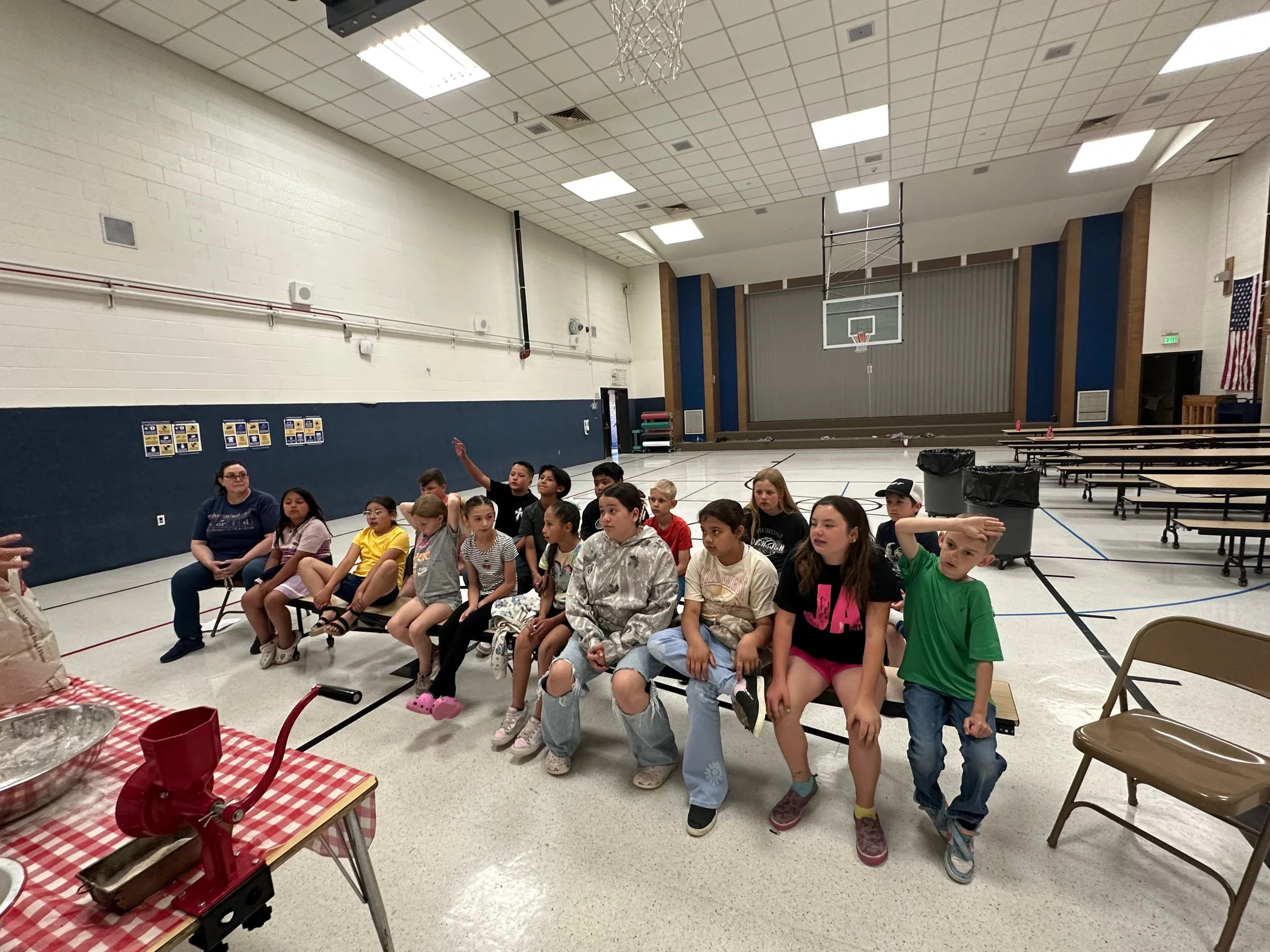
In a rural community with many working parents, children needed a safe, enriching place to spend their summer days. Beyond supervision, many kids relied on the camp for consistent access to lunch, meaningful social interaction, and opportunities to explore interests they normally wouldn’t have access to. The challenge was to design a program that supported the whole child — socially, emotionally, physically, and creatively — while strengthening trust and engagement within the broader community.
The Process.
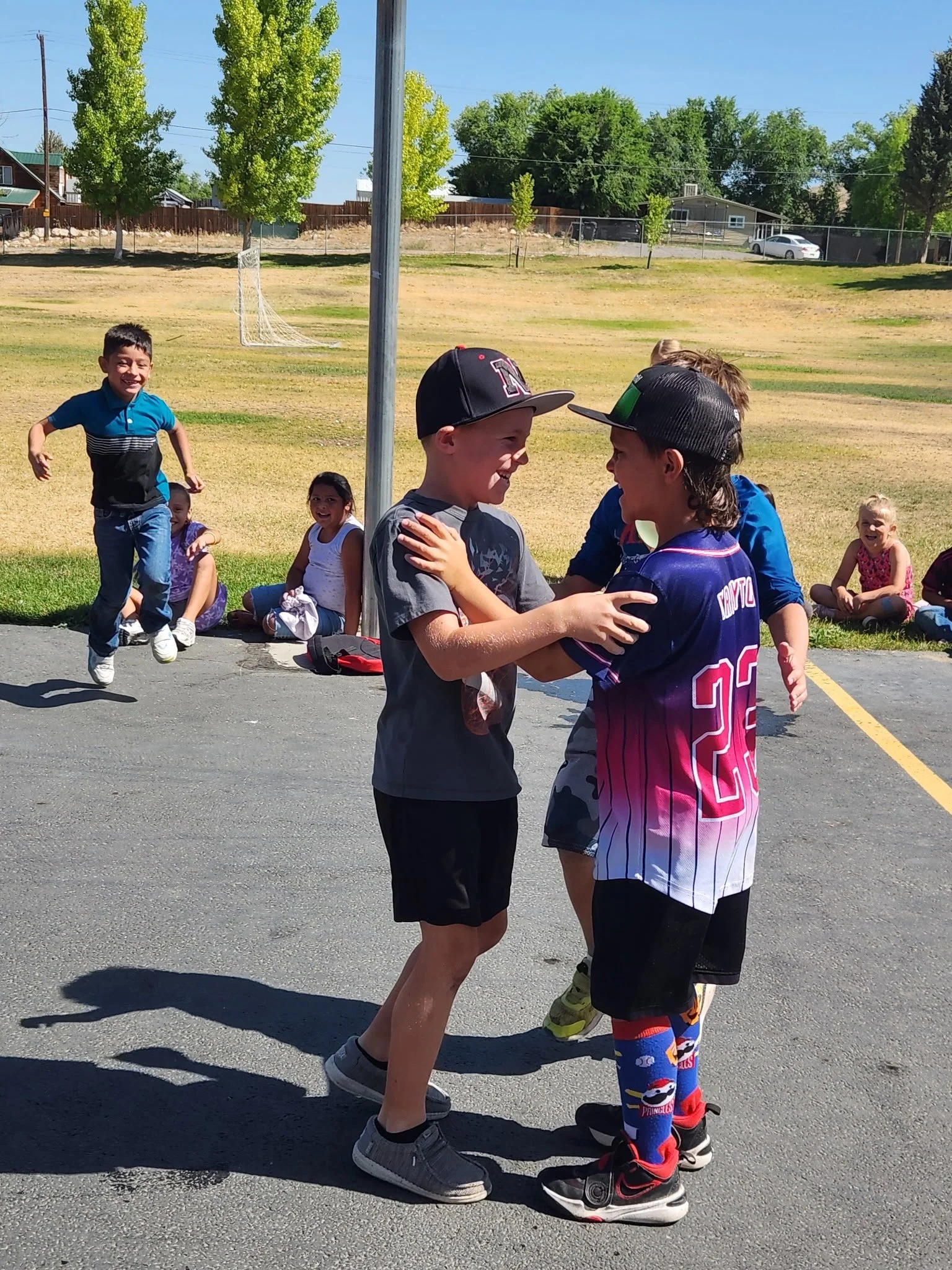
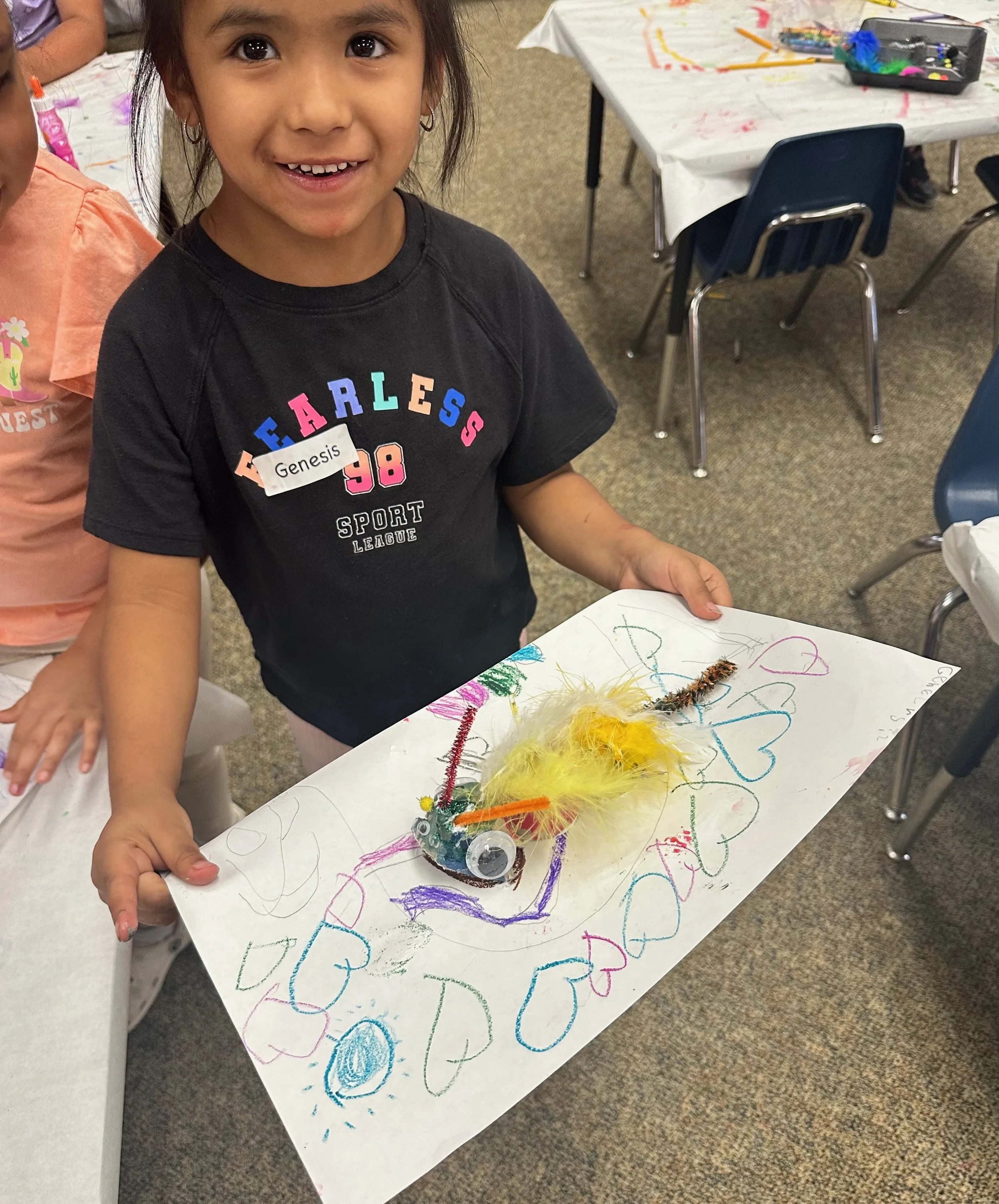
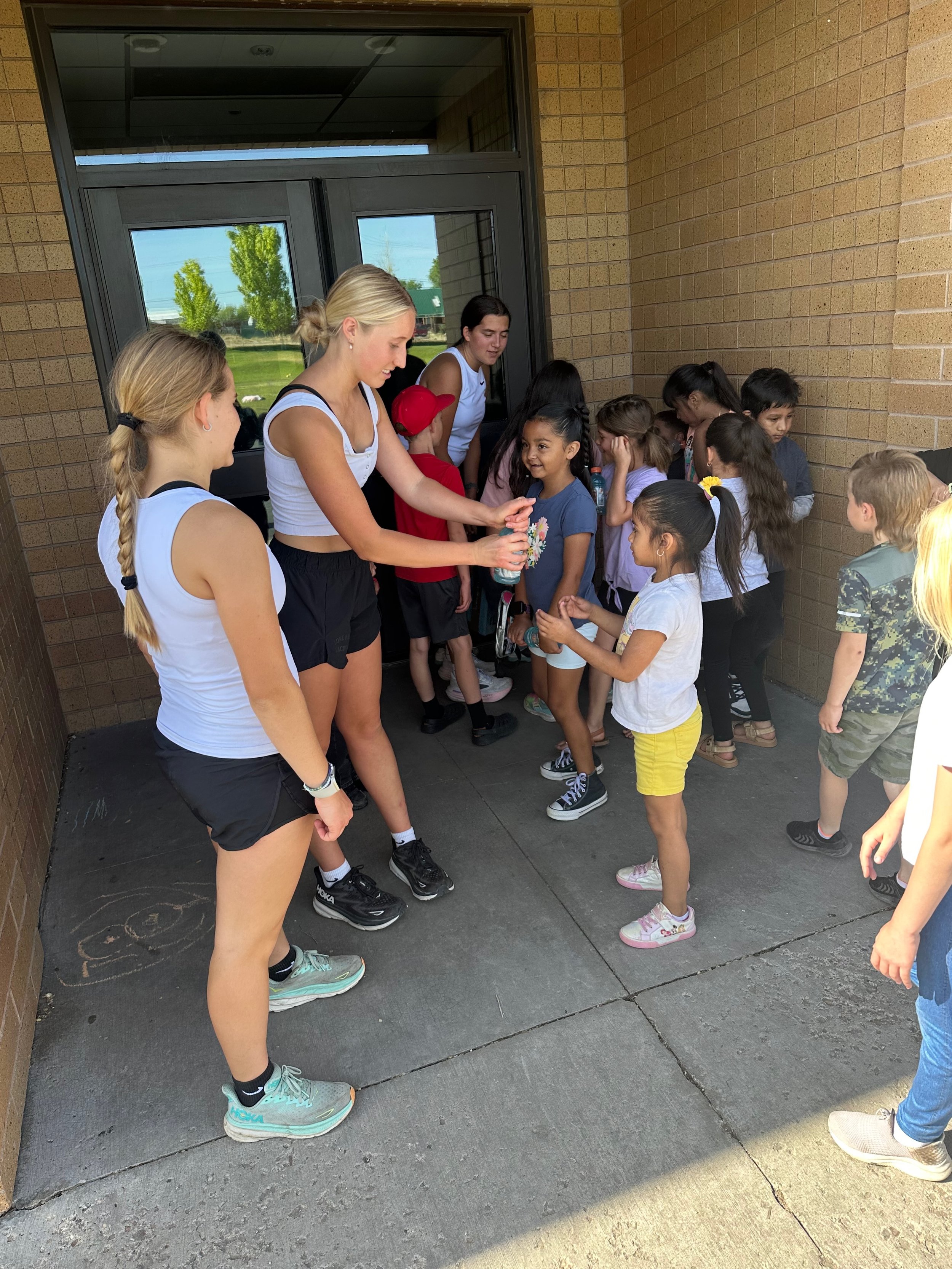
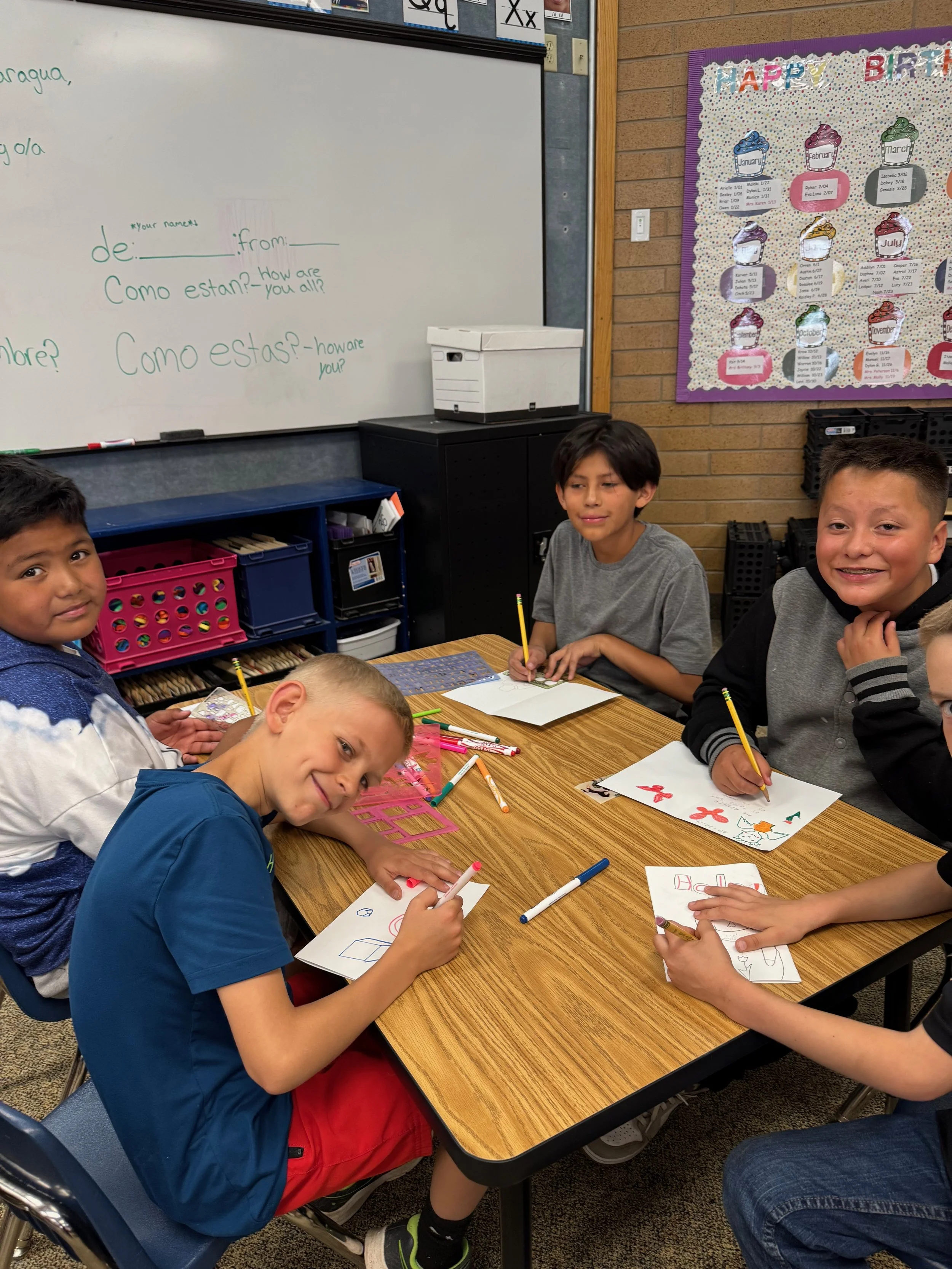
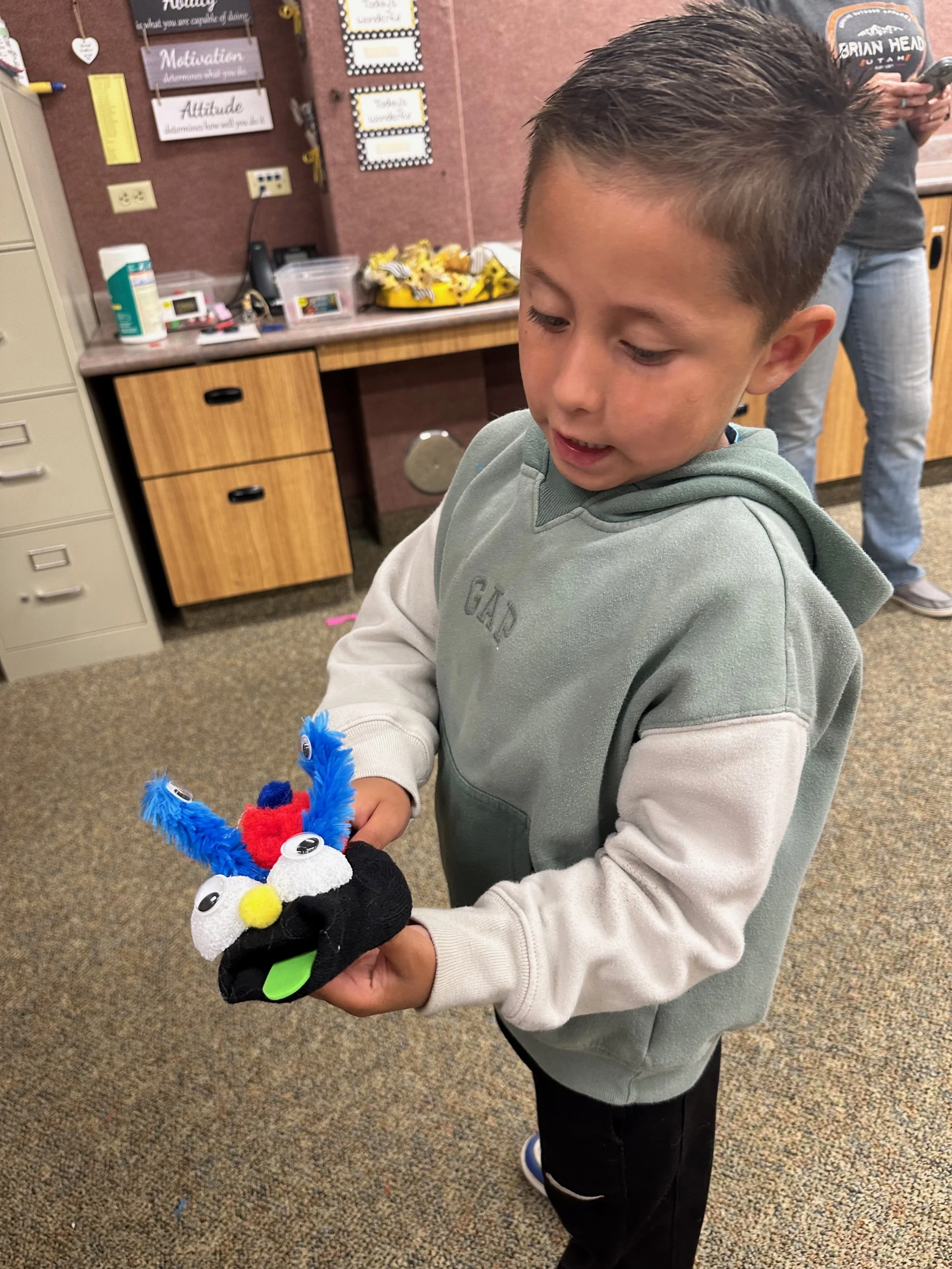
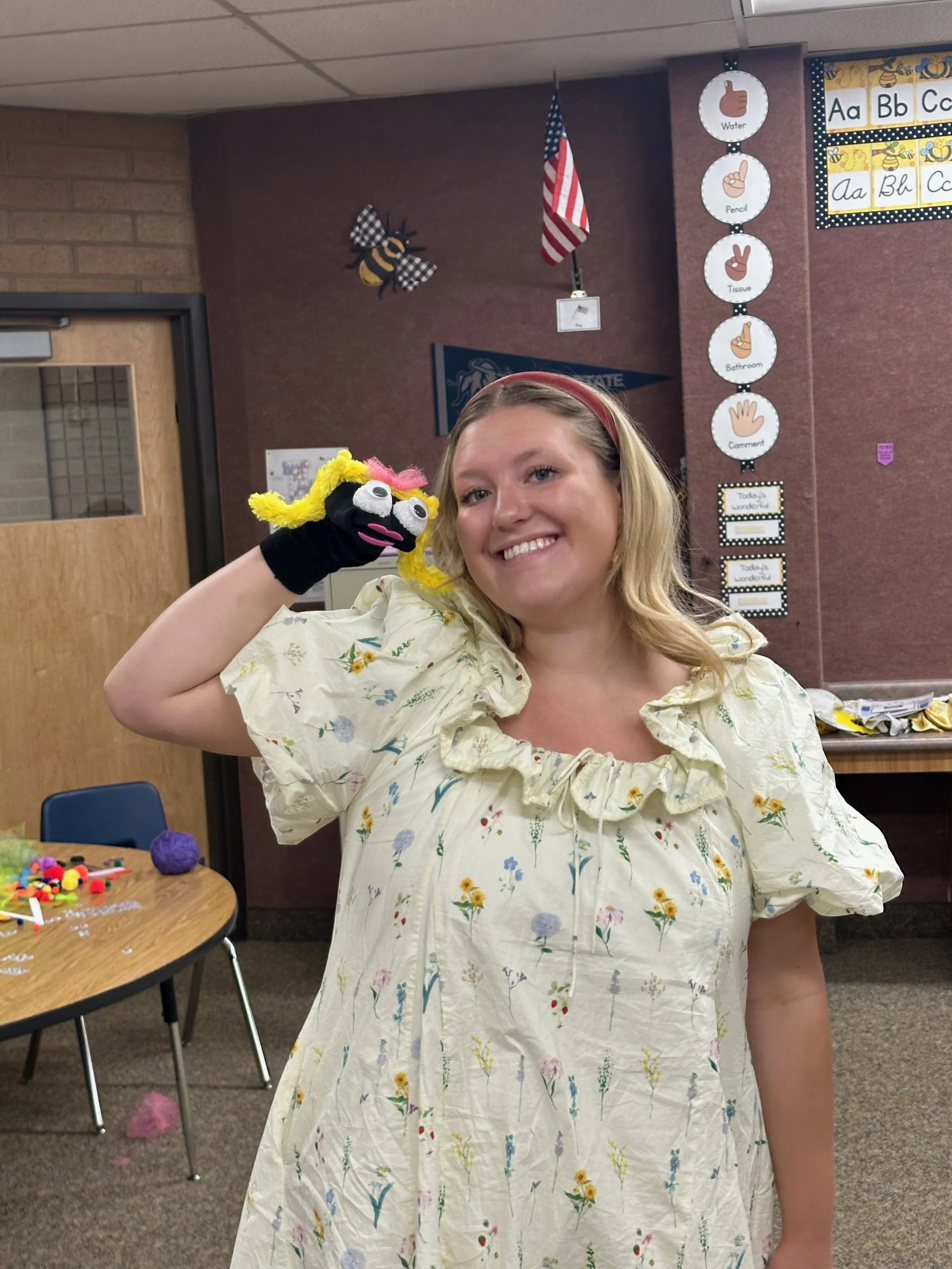
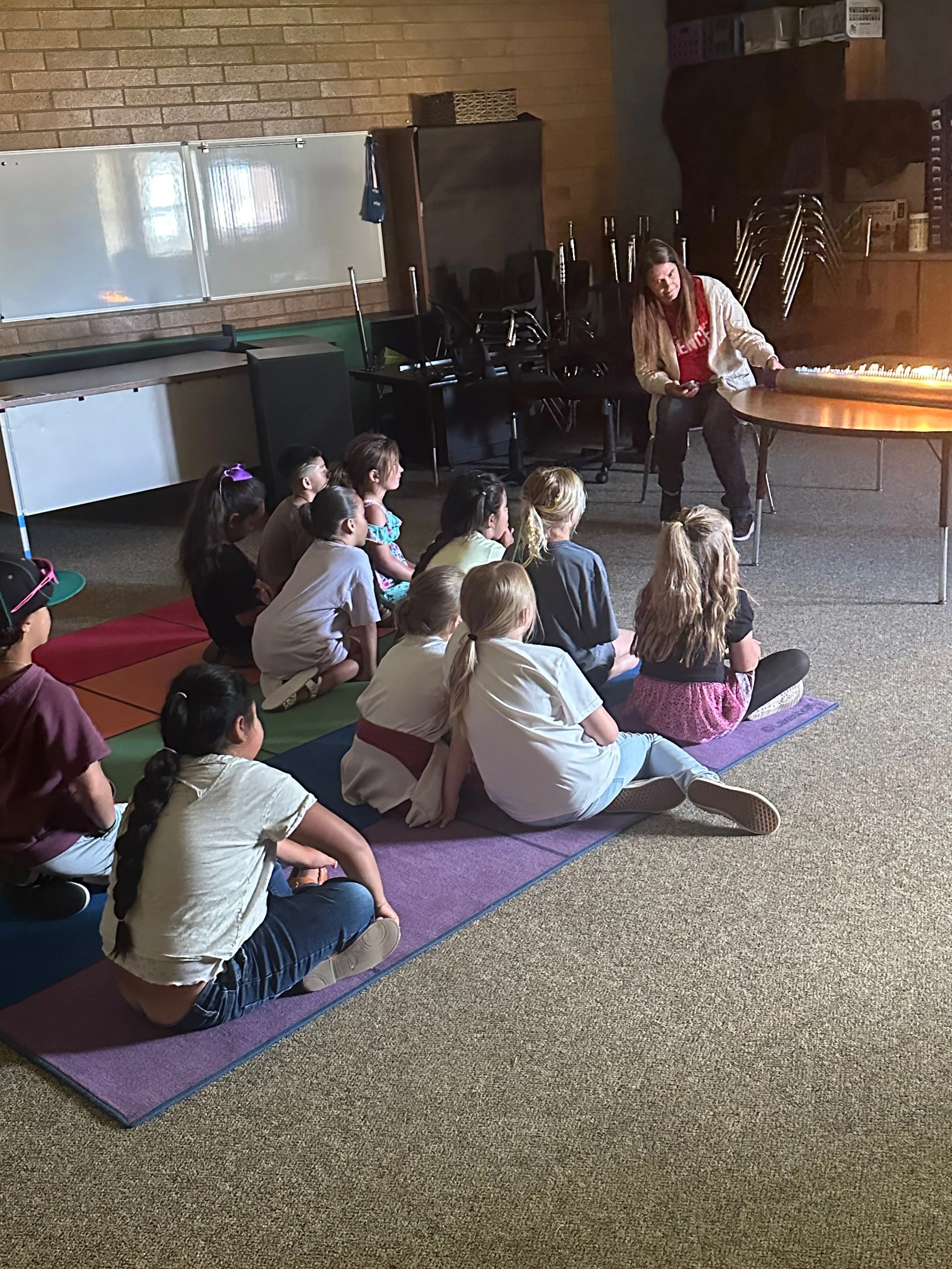
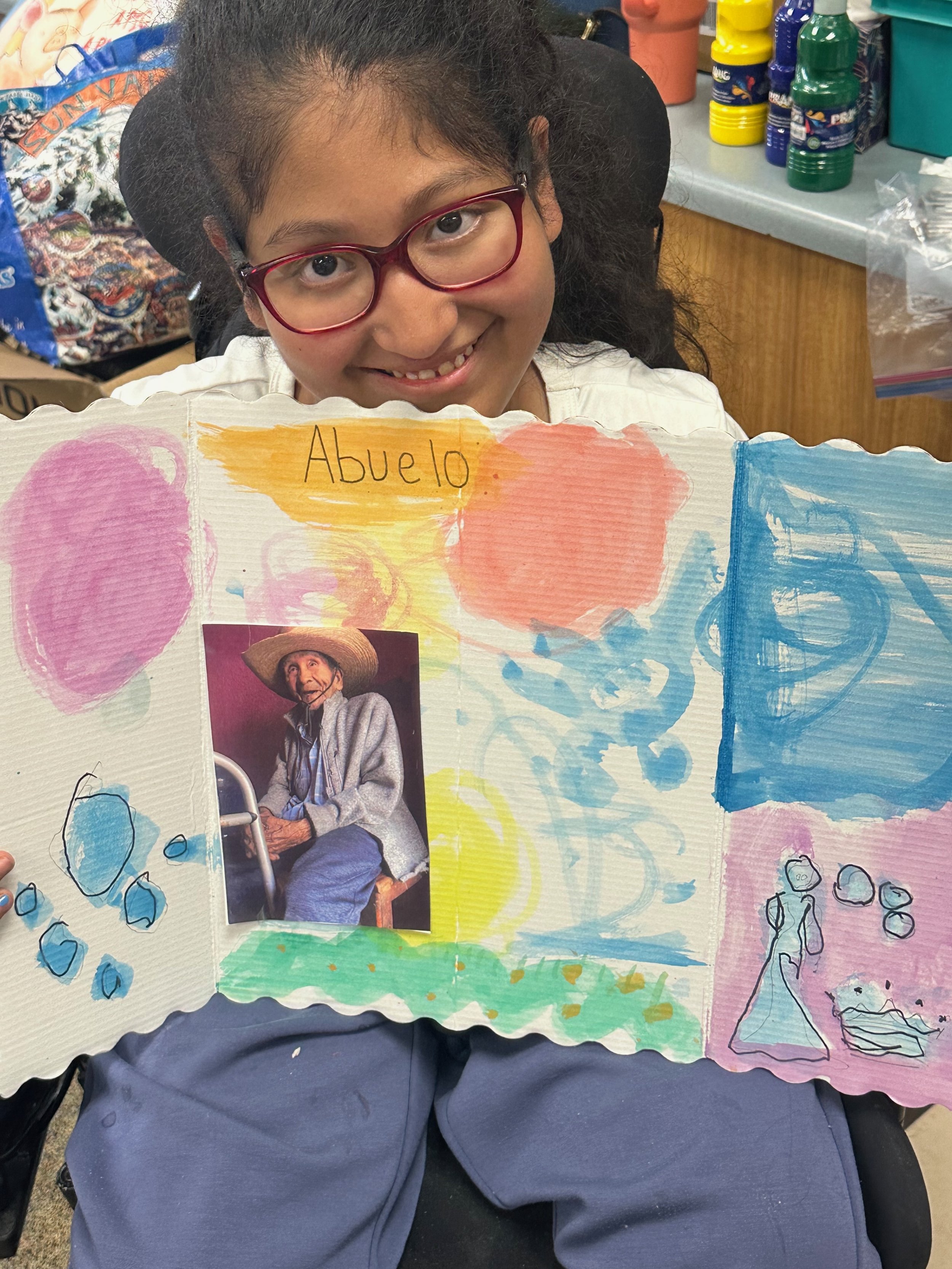
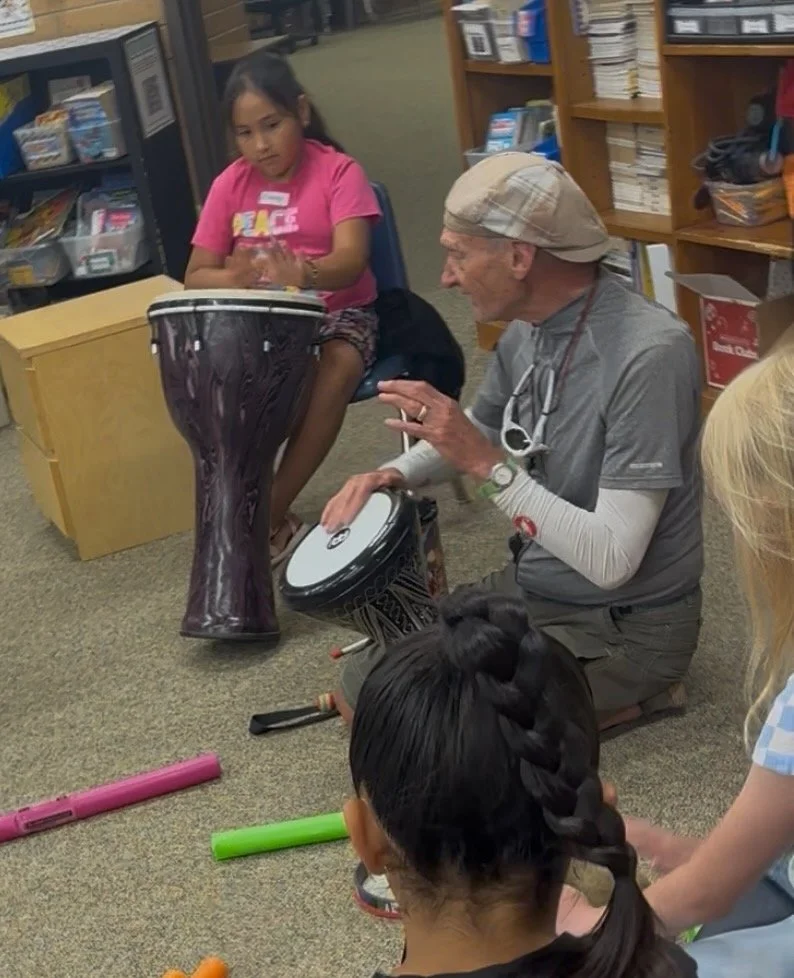
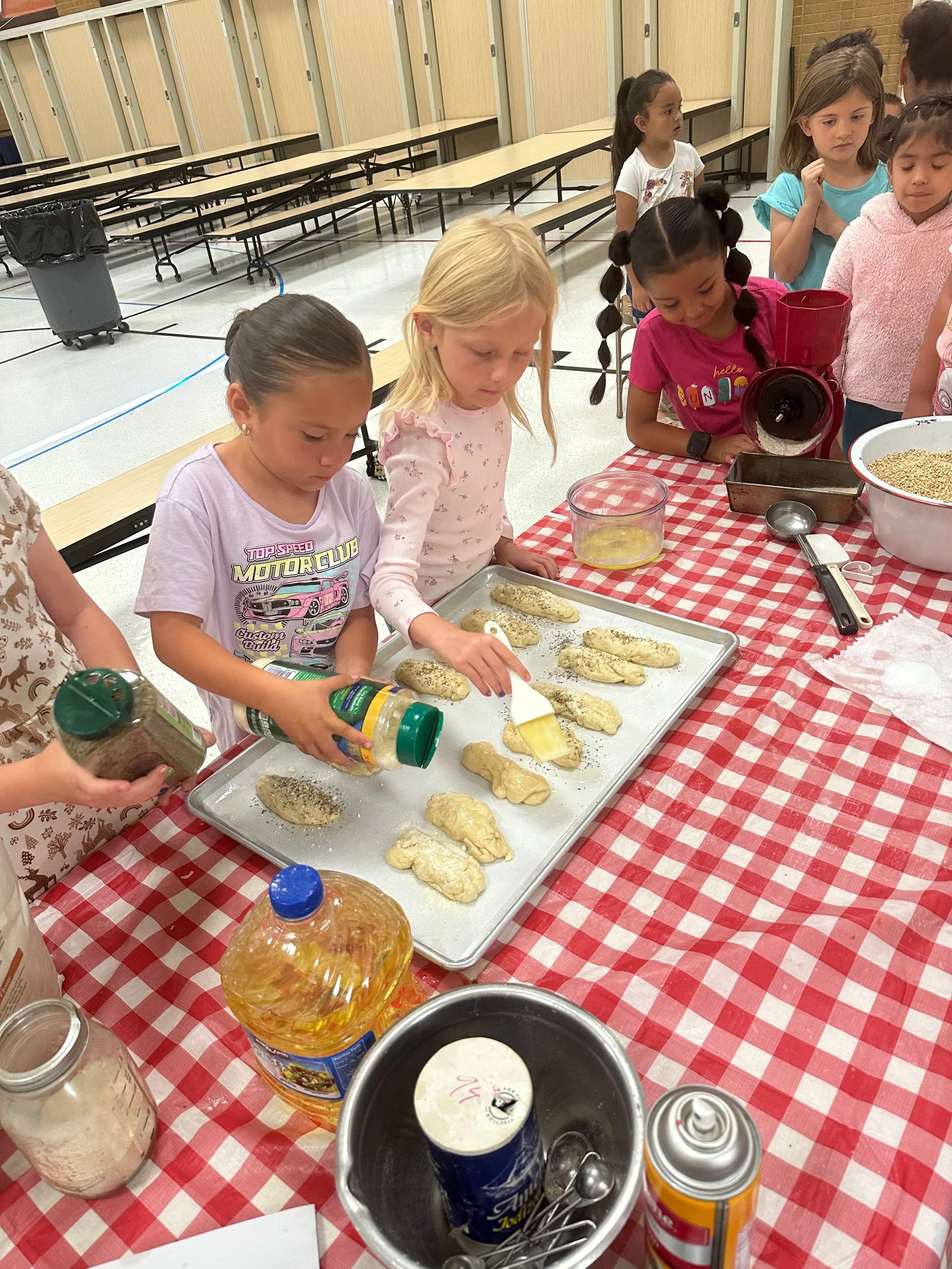
Each week of camp centered on a new theme — from sports and robotics to art, music, dance, and cooking. We designed activities that aligned with specific learning and emotional outcomes, such as teamwork, creative problem-solving, embracing mistakes, building self-belief, and valuing individual differences. Sessions ran from 8:30 to 11:00 a.m. on Tuesdays, Wednesdays, and Thursdays, with each day blending skill-building activities, movement, creativity, and social connection. We also ensured campers received essentials like shirts, snacks, drinks, awards, and supplies so every child could participate fully and confidently.
The Solution.
The solution was a holistic summer program that supported kids academically, socially, and emotionally. Each themed week gave campers opportunities to explore science, the arts, sports, cooking, robotics, and dance in a supportive, uplifting environment. Activities were designed to help kids make friends, celebrate their strengths, practice empathy, and build resilience — all while fostering joy, curiosity, and belonging. The camp became a place where students could grow, play, and feel valued.
The Impact.
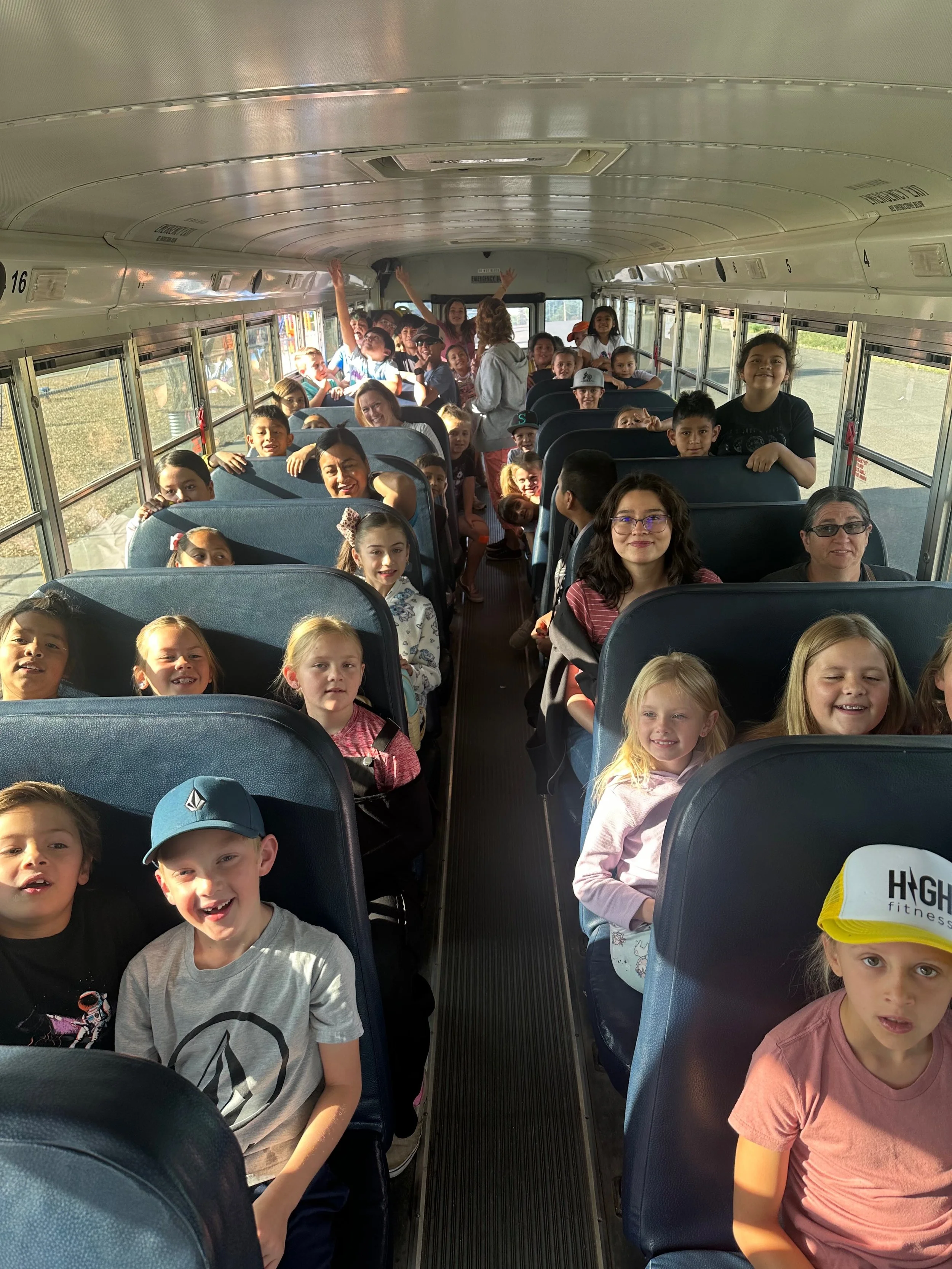
While we didn’t collect quantitative data, the impact was clear through community response. Parents, teachers, and town members shared how meaningful the camp was for their children and how much more connected and engaged the community felt afterward. The program built trust between families and facilitators and created a positive ripple effect that extended well beyond the summer.
My Role.
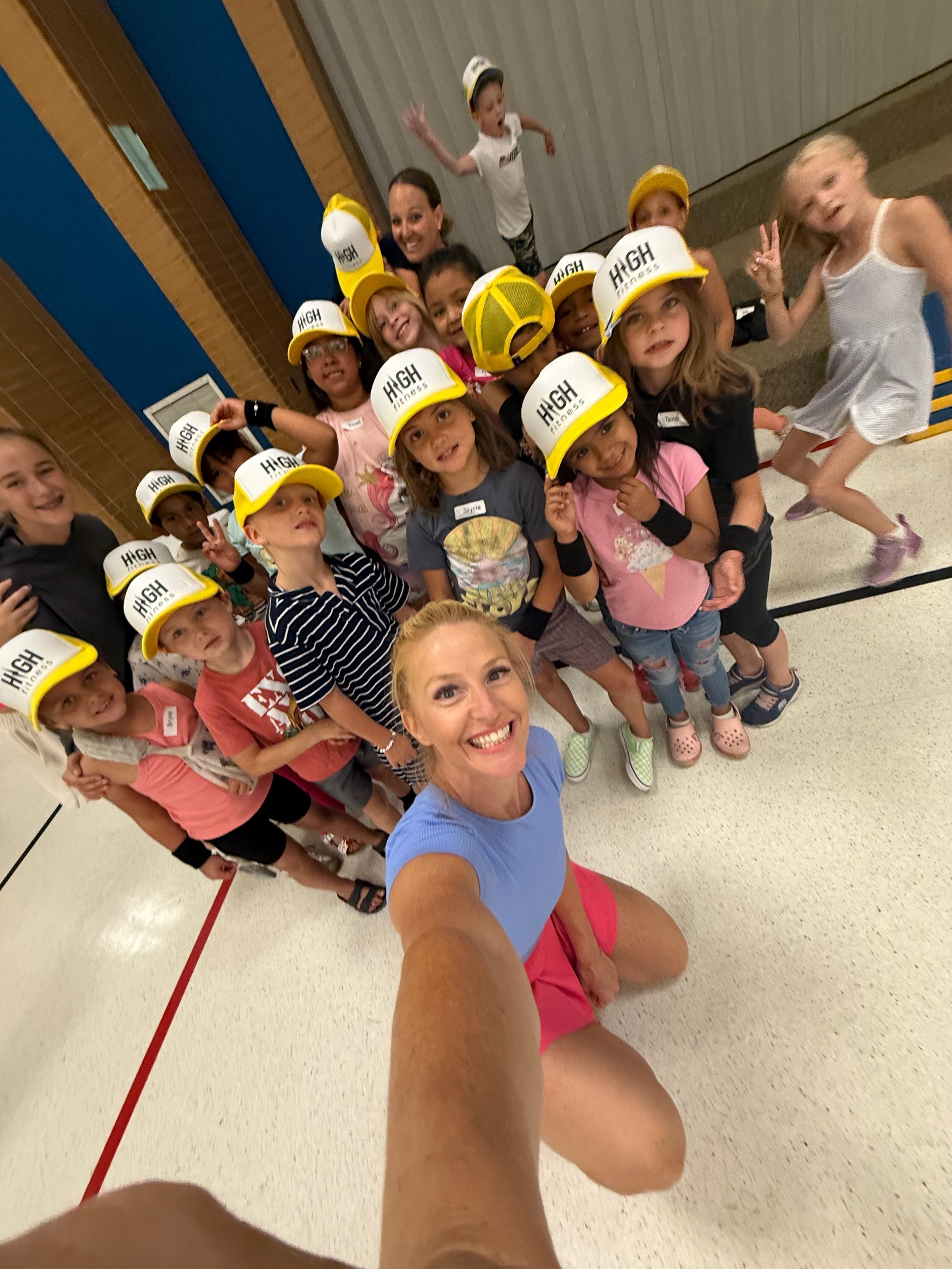
As one of the programmers and facilitators, I helped build the camp from the ground up. I helped secured funding from the school and private donors to cover supplies, equipment, and teacher compensation. I crafted weekly themes, designed daily activities for grades K–6, and facilitated experiences that encouraged teamwork, creativity, personal growth, and confidence. Throughout the summer, I supported campers individually and in groups, helping them build friendships, explore new skills, and feel celebrated for their progress.
Skills and Tools Used.
This project strengthened my empathy, children’s programming, and facilitation skills. I gained experience in curriculum design, theme development, activity planning, donor relations, and community engagement. It also deepened my ability to design experiences that support emotional well-being, build confidence, and create meaningful connection — even in resource-limited settings.